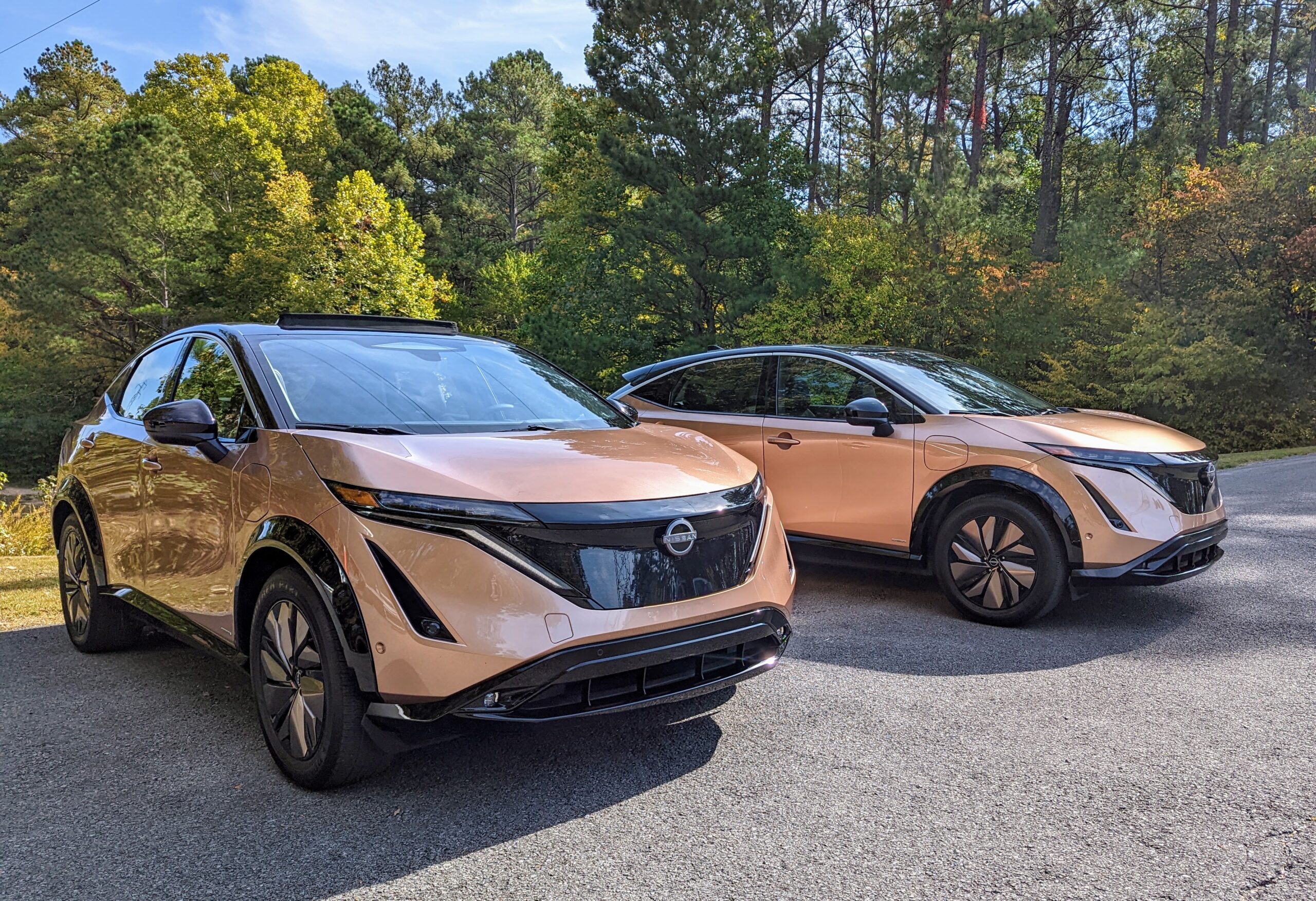


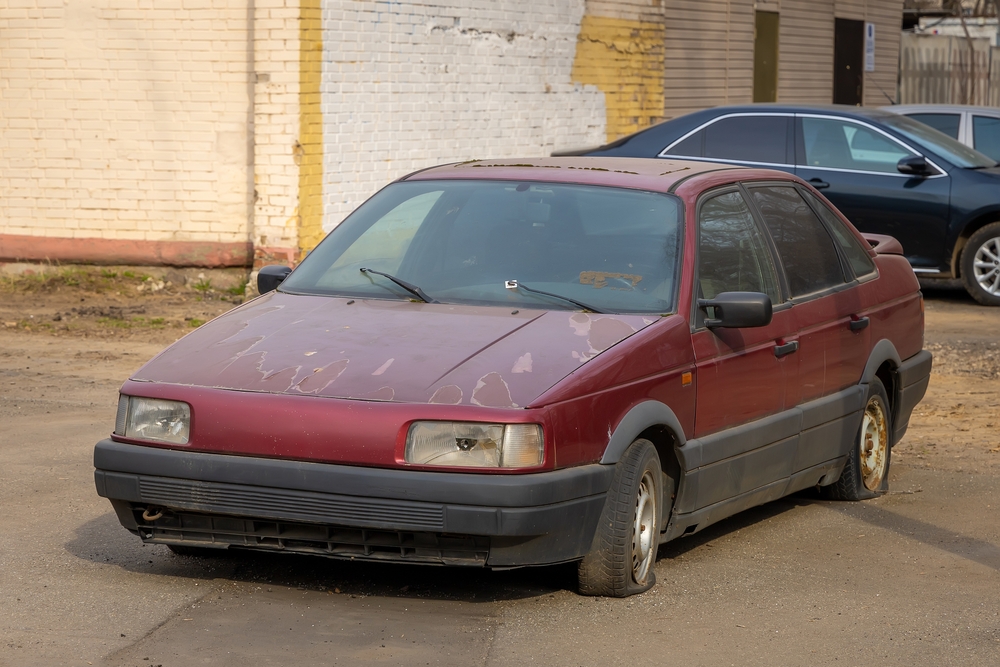
We’ve all seen it: A relatively new vehicle that somehow looks years older than its actual age. Whether it’s dull paint, scuffed interiors, or worn-out trim, some cars lose their lustre faster than others, even when they’re mechanically sound. So what causes a vehicle to age prematurely in appearance? And more importantly, what can you do about it?
The good news is that many of the factors behind a tired-looking car are preventable or reversible. Understanding how your vehicle’s looks deteriorate over time can help you protect its value and keep it looking like new far beyond its warranty period.
The Sun: Your Car’s Silent Foe
One of the most common culprits behind premature aging is prolonged sun exposure. And this applies to cars as much as it does to people. Ultraviolet (UV) rays are just as relentless when it comes to breaking down your car’s exterior. Over time, UV radiation fades paint, oxidizes clear coats and causes plastic trim to become brittle and discolored.
If your car is regularly parked outdoors without cover, these effects can become noticeable within just a few years. Even high-quality automotive paint isn’t immune to the sun’s slow, persistent damage. Interior surfaces aren’t spared either. Dashboards, seats and steering wheels can all crack or fade when left to bake in the heat.
Environmental Contaminants
Beyond the sun, your vehicle is constantly under attack from environmental contaminants. Road grime, tree sap, bird droppings, salt and acid rain are all enemies of your car’s finish. If left unwashed, these contaminants can etch into the paint, creating permanent marks that make your vehicle look worn out and neglected.
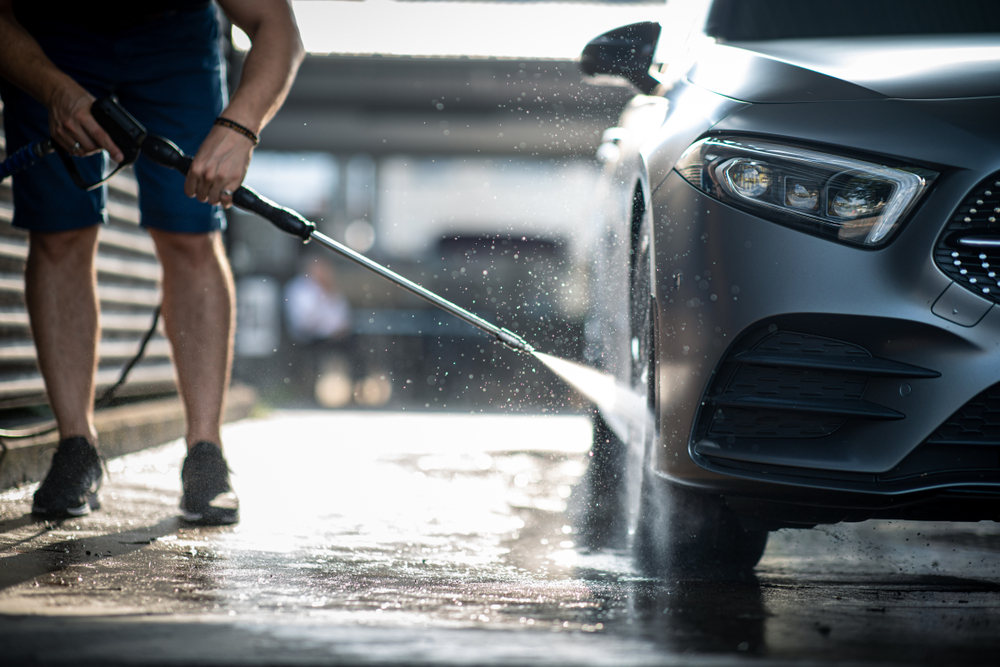
Even routine washing can be damaging if not done properly. Automated car washes with harsh brushes can leave swirl marks and micro-scratches that dull the paint’s shine over time. Improper hand washing with dirty rags or the wrong soap can do similar damage.
To prevent these surface issues from accumulating, many detailers now recommend proactive exterior protection in addition to routine cleaning. One increasingly popular solution is paint protection film, a nearly invisible barrier applied to high-impact areas like the hood, bumpers and side mirrors. While not the centerpiece of car care, it’s a smart long-term investment that helps preserve your vehicle’s fresh-from-the-lot appearance, especially if you drive in harsh climates or high-traffic environments.
Interior Wear and Neglect
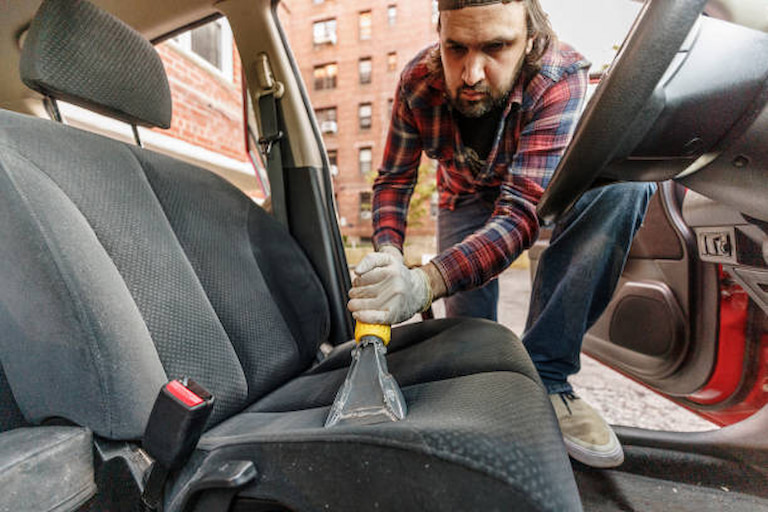
Your car’s interior might not take the same beating as the exterior, but it can still age rapidly without proper care. Daily use naturally leads to wear on upholstery, steering wheels, gear knobs and floor mats. However, the rate of that wear often comes down to how often and how carefully the interior is cleaned and maintained.
Cloth seats are prone to staining and fabric breakdown, while leather can crack and fade if not conditioned regularly. Over time, small amounts of dirt, oil and debris accumulate in seams and crevices, dulling the interior’s overall appearance.
Simple habits like regular vacuuming, wiping down surfaces and applying UV protection can go a long way in extending the life of your car’s cabin. Using sunshades and parking in the shade when possible also helps minimize heat and sun damage to interior materials.
Tire and Trim Deterioration
A sleek paint job won’t save a vehicle from looking old if the surrounding elements are neglected. Tires with worn sidewalls or faded lettering, cloudy headlights and brittle rubber seals around doors and windows can all drag down the overall appearance. These issues often get overlooked because they don’t necessarily impact drivability. At least, they do not affect it right away.
In particular, plastic trim is susceptible to fading and oxidation. What was once a deep black finish can quickly turn grey or chalky, especially on older SUVs or trucks. Regular use of trim restorer products can help maintain that factory finish and preserve the vehicle’s clean, sharp lines.
Bringing It All Back
If your vehicle already shows signs of cosmetic aging, it’s not too late to restore its appearance. Professional detailing can often bring back a surprising amount of shine and clarity to both the paint and interior. Services like paint correction, headlight restoration and upholstery deep-cleaning can make your car look years younger.
That said, the best approach is to combine restoration with prevention. Adding routine care steps to your maintenance schedule, like waxing, conditioning and occasional touch-ups, makes a big difference over time. For those especially concerned about preserving their car’s exterior, applying paint protection film can prevent many common sources of visible wear before they become a problem.
Conclusion
While it’s natural for cars to show some signs of use over time, many of the visual indicators of age can be prevented or reversed with the right care. A vehicle’s appearance is about more than pride of ownership – it also impacts resale value and how others perceive its overall condition. With consistent attention to both the exterior and interior, and a little help from modern protective solutions, your car can look its age, or even better, for many years to come.