


We think about coffee, deadlines, and maybe the traffic we’re about to sit in (which, ironically, adds to emissions, but we’ll get to that). Still, those invisible gases that float out of cars, factories, and even our homes? They’re kind of a big deal. I know, the topic sounds dry. But stick with me. There’s more drama here than you’d expect. Emissions are quietly shaping our weather, our health, and even the future of our food. And the craziest part? We’re all part of the story.
Table of Contents
So, what exactly are “emissions”?
At its core, “emissions” just means stuff being released into the air. Simple, right? Usually, we’re talking about gases—like carbon dioxide (CO₂), methane (CH₄), and nitrogen oxides—that come from burning fuels or breaking down materials. Imagine your car. Every time you drive, it breathes out exhaust, just like you exhale air. Only difference? Your breath doesn’t heat the planet. Factories do it too. So do power plants, farms, and even landfills. And while each puff might seem harmless, they add up—fast. It’s like the planet’s version of a credit card bill that keeps growing, and we’re only paying the minimum balance.
The sneaky ways emissions touch our daily lives
You might think emissions are a problem for governments or scientists to worry about, but they’re closer to you than you think.
That haze hanging over a city skyline? Yep, emissions.
That strange tickle in your throat on hot summer days? Also emissions, specifically ozone pollution.
And those unpredictable weather patterns we’ve been having—heat waves, storms, floods—that’s climate change being fueled by years and years of accumulated emissions.
Let’s be honest, it’s hard to feel connected to something you can’t see. If carbon dioxide were bright purple, we’d all panic every time we started a car. But because it’s invisible, it’s easy to ignore. Out of sight, out of mind.
How we got into this mess
We didn’t mean to. Really. The modern world runs on energy—planes, lights, streaming services, you name it. And for a long time, burning coal, oil, and gas was the easiest way to power everything. Back in the 1800s, when factories started booming, nobody thought about the side effects. People were just thrilled to have machines doing hard labor. Then came cars, airplanes, plastic, and everything else we now call “normal life.” Each step made life easier—and emissions worse. By the mid-20th century, scientists started noticing weird things. The Earth was warming. Ice caps were melting. And species were disappearing faster than anyone expected. It wasn’t until decades later that “emissions” became a buzzword, usually followed by words like “reductions,” “targets,” or “crisis.”
The emissions blame game
Here’s where things get complicated. Everyone wants to fix emissions… but no one wants to be the bad guy.
Governments point at corporations. Corporations point at consumers. Consumers point at governments. And around and around it goes. Sure, some companies are doing something. Electric cars, solar panels, and “carbon neutral” labels are popping up everywhere. But to be fair, there’s still a lot of greenwashing—where businesses talk big about sustainability but do very little behind the scenes. Meanwhile, developing countries argue that they deserve a chance to grow just like wealthy nations did. “You had your industrial revolution,” they say, “now it’s our turn.” And honestly, that’s fair. But the atmosphere doesn’t care about fairness—it just responds to what we dump into it.
The human side of emissions
Let’s step away from numbers for a minute. Behind every ton of carbon released, there’s a real-world impact. Farmers watching their crops fail from unpredictable weather. Families rebuilding homes after floods. Kids growing up in cities where the air quality makes it hard to breathe. I read once about a school in Delhi where kids aren’t allowed to play outside some days because the air is literally too toxic. Imagine that—childhood without playgrounds because of air pollution. That’s not a faraway problem. That’s a human one.
And it’s not just about “saving the planet.” It’s about saving us—from our own habits.
Can we actually fix this?
The short answer: kind of.
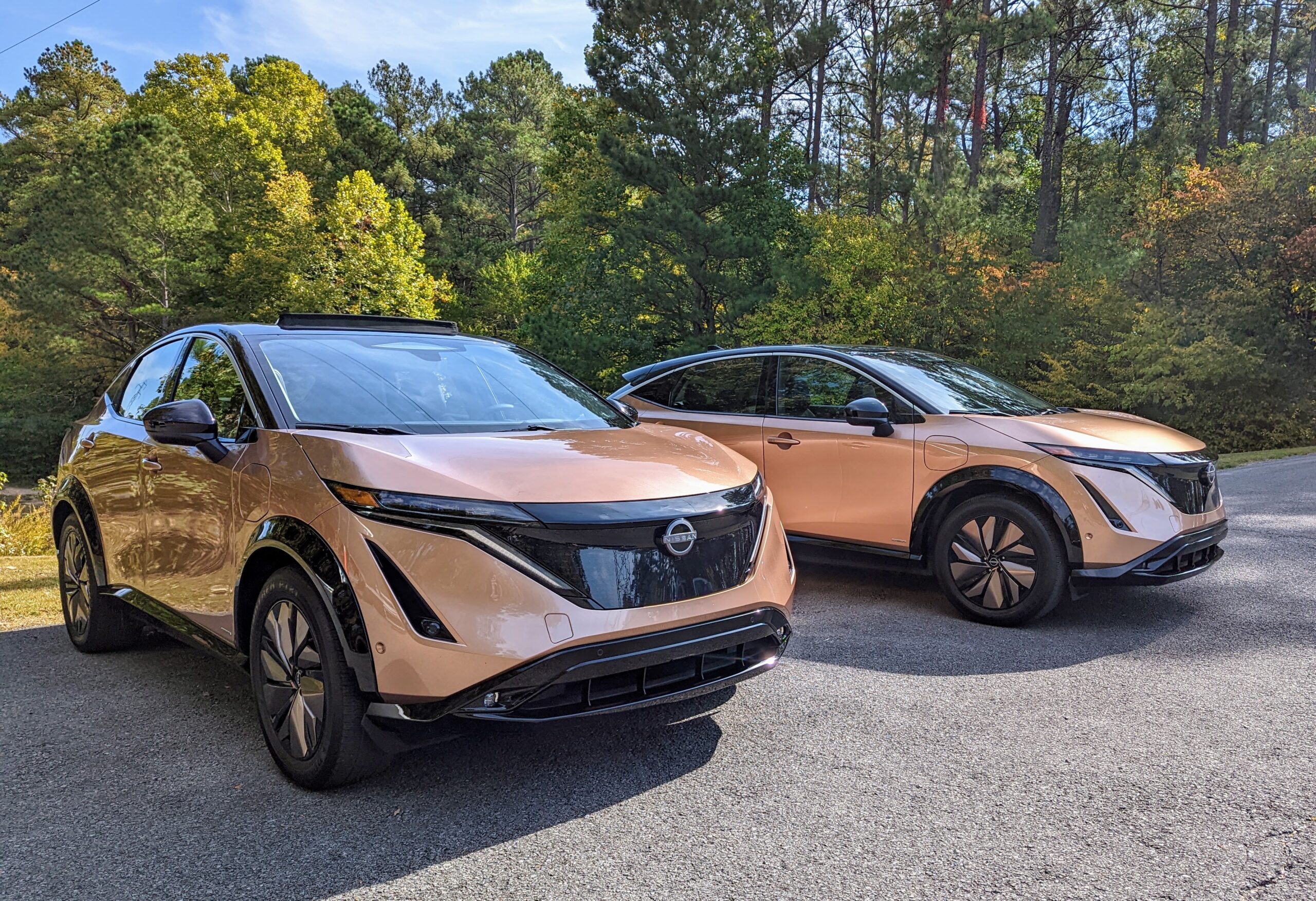
We can’t magically erase all emissions overnight, but we can slow them down. Technology is helping—electric cars are getting cheaper, solar power is booming, and even industries like steel and cement are experimenting with cleaner methods.
But here’s the kicker: technology isn’t enough. We need behavior change too. That means rethinking how we consume, travel, and even eat. I’m not saying everyone has to go vegan and live in a tiny house powered by solar panels (though hey, if that’s your thing, go for it). But small shifts matter. Taking public transport. Eating more plant-based meals. Turning off the lights. These sound cliché, but they add up.
It’s like compounding interest—the good kind.
Why it’s not just doom and gloom
Let’s face it, conversations about emissions usually feel depressing. Melting ice, dying coral reefs, rising sea levels—it’s not exactly bedtime-story material. But here’s the bright side: awareness is higher than ever before.
People care now. That’s huge. Whole cities are pledging to go carbon-neutral. Kids are learning about climate change before they can even drive. Companies are being held accountable by consumers who actually read labels (who knew?). And yes, change takes time. But it’s happening. Slowly, awkwardly, imperfectly—just like most good things do.
The little things that matter more than you think
If you’re wondering, “What difference can one person make?”—you’re not alone. We’ve all had that thought.
But think about this: every product you buy, every meal you eat, every trip you take, sends a signal. It tells industries what people value. That’s power. When enough people choose cleaner options, the market shifts. Suddenly, it’s profitable to make low-emission products. That’s how real change sneaks in—not through guilt, but through demand. It’s not about being perfect. It’s about being aware. Maybe you can’t stop global emissions on your own, but you can control your corner of them.
And if millions of us do that? Game-changer.
Final Thoughts: Our invisible responsibility
To be honest, talking about emissions can feel overwhelming. It’s one of those topics where you can either spiral into despair or shrug it off completely. But maybe the answer is somewhere in between. We don’t need to panic. We just need to care enough to act. The truth is, emissions aren’t just an environmental issue—they’re a mirror. They reflect how we live, consume, and prioritize. Reducing them isn’t about guilt; it’s about growth. About doing better because we can.