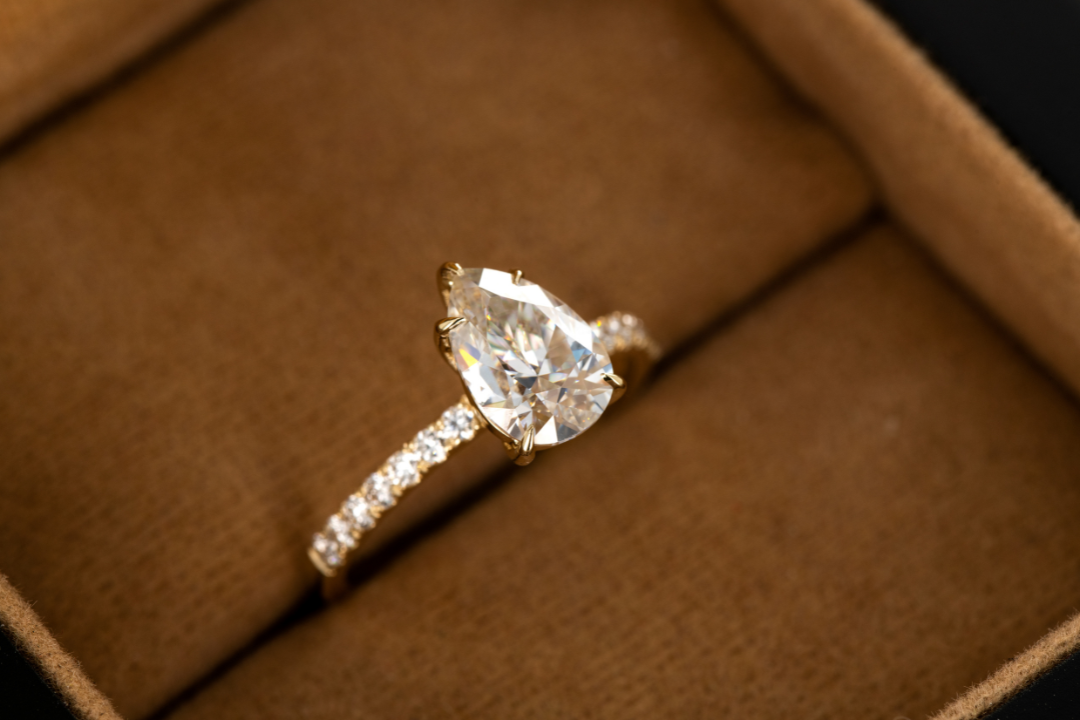



Diamonds have lengthy been synonymous with elegance, luxurious, and everlasting love. Whether adorning engagement jewelry or creating a announcement in satisfactory jewelry, these precious stones hold to captivate hearts international. However, the process of choosing a diamond can frequently experience daunting, mainly with technical jargon just like the “diamond 4C chart” and the emergence of revolutionary alternatives including lab-grown or man-made diamonds. This article unpacks the necessities of the diamond 4C chart while losing mild on how guy-made diamonds are reshaping the gemstone market. By the end, you’ll have a clearer information of the way to assess diamonds and why artificial alternatives are getting more and more famous.
Table of Contents
Understanding the Diamond 4C Chart: The Cornerstone of Diamond Grading
When buying a diamond, one of the most trusted tools is the diamond 4C chart. Developed with the aid of the Gemological Institute of America (GIA), this across the world identified grading system evaluates diamonds based on 4 primary traits: Carat, Cut, Color, and Clarity. These elements are fundamental because they together impact a diamond’s beauty, rarity, and fee.
1. Carat: More Than Just Size
Carat refers back to the weight of the diamond, not its size, with one carat equaling 200 milligrams. While a better carat often means a larger diamond, it isn’t the only determinant of visual effect or worth. For example, a well-cut diamond of barely decrease carat can sparkle extra brilliantly than a heavier stone with a bad cut. Understanding the carat weight allows shoppers gauge the scale of the stone, but it’s just one piece of the puzzle.
2. Cut: The True Sparkle Factor
Cut best is possibly the most vital and regularly misunderstood issue of the 4C chart. It refers to how well the diamond’s facets are fashioned and arranged to mirror light. A skillfully cut diamond will showcase exquisite brilliance, fireplace, and scintillation, making it visually stunning. The cut grading stages from Excellent to Poor, and it at once impacts how light interacts with the diamond’s floor and interior.
3. Color: The Subtle Palette of Diamonds
Diamonds are available in a spectrum of colours, even though most are valued for being as colorless as viable. The GIA shade scale runs from D (completely colorless) to Z (considerable yellow or brown tint). Colorless diamonds allow the maximum amount of mild to bypass via, enhancing sparkle. Slight tints can affect fee and desirability, but a few customers prefer fancy colored diamonds, which are graded on an entirely special scale.
4. Clarity: The Purity Within
Clarity assesses the presence of internal imperfections referred to as inclusions or outside marks known as blemishes. The clarity scale stages from Flawless (no inclusions visible below 10x magnification) to Included (inclusions visible to the bare eye). While maximum inclusions do now not effect a diamond’s durability, they could have an effect on brilliance and fee.
By consulting the diamond 4C chart, customers can make knowledgeable picks, balancing these attributes in keeping with their alternatives and price range.
Man-Made Diamonds: Revolutionizing the Jewelry Market
Traditionally, diamonds were valued for his or her herbal origin—fashioned over millions of years deep within the Earth. However, latest advances in generation have led to the manufacturing of man-made diamonds, also known as lab-grown or artificial diamonds. These stones are chemically and physically identical to herbal diamonds, created through medical strategies that reflect nature’s situations.
How Are Man-Made Diamonds Created?
There are two important strategies utilized in manufacturing artificial diamonds:
High Pressure High Temperature (HPHT)
This approach mimics the acute warmness and stress situations located inside the Earth’s mantle, crystallizing carbon into diamond shape.
Chemical Vapor Deposition (CVD)
This approach entails breaking down carbon-containing gases in a vacuum chamber, permitting carbon atoms to deposit on a substrate and gradually shape a diamond layer.
Both methods yield terrific diamonds that possess the equal hardness, optical residences, and chemical makeup as mined diamonds.
Applying the 4C Chart to Lab-Grown Diamonds
One of the maximum massive blessings of artificial diamonds is that the diamond 4C chart applies equally to them. Whether herbal or synthetic, diamonds are graded by means of the identical rigorous standards, making it less complicated for consumers to examine stones on identical footing.
- Carat: Lab-grown diamonds come in a number of sizes and often at a greater less costly price according to carat as compared to their natural counterparts.
- Cut: Because these diamonds are created in controlled settings, they regularly characteristic precision cuts that maximize brilliance.
- Color: Synthetic diamonds may be produced with pretty high shade grades due to fewer impurities.
- Clarity: Lab-grown diamonds often show off higher readability considering that their controlled increase reduces the chance of inclusions.
This parity in grading requirements combined with often lower fees has led many purchasers to recall guy-made diamonds as a compelling, sustainable opportunity.
Why Are Man-Made Diamonds Gaining Popularity?
Several elements contribute to the rising enchantment of lab-grown diamonds:
- Cost Efficiency: Man-made diamonds normally fee 20-forty% less than natural diamonds with comparable 4C grades, supplying extra cost for the identical visual fine.
- Ethical Considerations: Lab-grown diamonds avoid concerns associated with mining, inclusive of environmental impact and unethical exertions practices, making them an ethical desire for socially conscious consumers.
- Sustainability: Creating diamonds in labs reduces ecological disruption and waste, aligning with growing purchaser call for for environmentally pleasant merchandise.
- Technological Innovation: Advances in generation have stepped forward the nice and accessibility of synthetic diamonds, broadening their enchantment past niche markets.
Making an Informed Choice: Natural vs. Man-Made Diamonds
Whether you pick a natural or guy-made diamond, information the diamond 4C chart is vital to evaluating the stone’s great and value. Natural diamonds deliver a positive ancient and emotional weight, valued for his or her rarity and geological origins. Meanwhile, lab-grown diamonds offer a mix of cutting-edge ethics, affordability, and terrific high-quality.
When shopping, bear in mind what matters maximum to you—whether it’s the story in the back of the stone, your finances, or the environmental footprint. Jewelers now offer transparent grading reviews that practice the diamond 4C chart to both natural and artificial stones, making sure clarity and self assurance on your buy.
Conclusion
The diamond 4C chart stays a cornerstone for anyone seeking to buy a diamond, offering a clear, objective framework to assess best primarily based on carat weight, reduce, coloration, and clarity. Meanwhile, the appearance of synthetic diamonds has increased the selections available, making stunning, remarkable diamonds reachable to a broader target market whilst addressing ethical and environmental concerns.
As you navigate the arena of diamonds, recollect that whether or not natural or lab-grown, every diamond tells a tale defined by its specific 4C traits. Embrace the knowledge of the diamond 4C chart, explore the opportunities of man made diamonds, and locate the correct stone that shines brightest for you.